Now that I have your attention with that sensationalist title, let’s talk about pathology, geopolitics, and agriculture!
There’s been a recent resurgence of a parasitic insect known as the New World screwworm fly (Cochliomyia hominivorax). It’s a gross li’l fly that lays its eggs in open wounds, soft tissue, and body orifices (so the eyes, nose, mouth, ears, and genitals…lovely). It’s more common for it to infect livestock, but it also parasitizes humans. The eggs hatch and the maggots borrow into the body, eating flesh as they go. Then they pupate into adults and skedaddle. Nature is filled to the brim with these sorts of Xenomorphesque species.
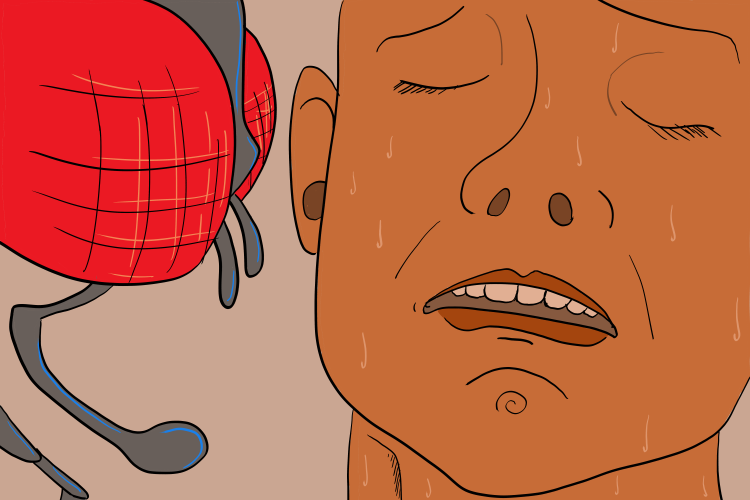
We literally had it under control by the ‘80s. Through the work of the entomologists Knipling and Bushland, one of the first examples of sterile insect technique was deployed. Here’s how it works: while male screwworm flies mate up to ten times, females only mate once.
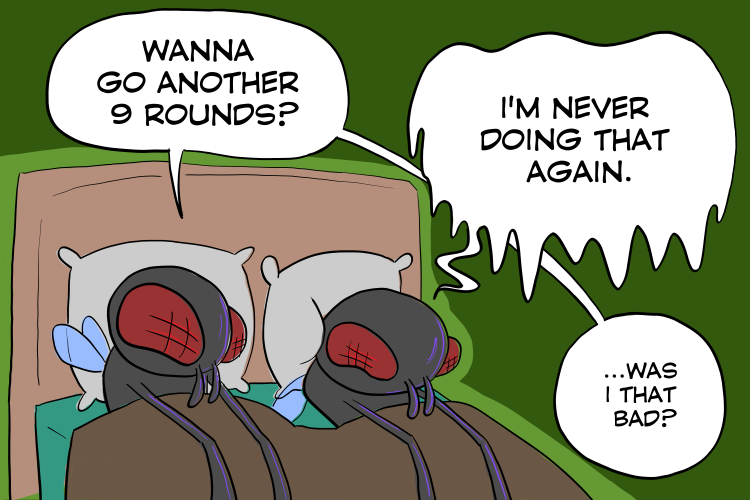
There are several facilities which specifically breed screwworm flies, sterilize them via radiation, and transport them. By releasing millions of sterilized males into the wild screwworm fly population, the majority of the female flies have their one “shot” completely wasted. It is a very effective method of pest control, without having to resort to pesticides that can harm the local ecology. Through weekly releases of sterilized males in Panama (a bottleneck for the flies due to the terrain), a barrier was created which prevented northern migration of the flies into North America entirely.
In August of 2022, that barrier was breached.
Some possible reasons have been given for that breach, and it’s most likely a mix of factors. For example, the pandemic interrupting the supply of sterile flies probably didn’t help. Additionally, the illegal smuggling of livestock speeds up the fly migration. The flies don’t move too far on their own (they travel 6-9 miles in their lifetime), but illegal livestock transport acts as a Trojan Horse.
Just last week, a case has been found 90 miles away from the U.S.-Mexico border. The article I linked to also features a quote by the Texas Agriculture Commissioner:
“The New World screwworm is not some distant problem. It is a direct and imminent threat to Texas, and we are treating it that way. This is a high-stakes situation for our ranchers, our livestock industry, and our food supply, and we are moving aggressively to stay ahead of it.
While the USDA has taken steps to respond, the reality is the spread of the New World screwworm has not been successfully contained to date. That is a serious concern, and it underscores exactly why Texas must be proactive in dealing with this threat. We are fully engaged and prepared to escalate every available tool to ensure this threat is stopped.”
That same commissioner had this to say in an opinion article in December 2024:
“Recently, only one cow of thousands that were crossing into Mexico was found just north of the Guatemalan border—1,100 miles away from Texas—with a screwworm infection. That’s proof that the system is functioning as it should. So, before we panic and shut down border crossings, let’s make sure we’re not creating a bigger problem than the one we’re trying to solve.
Instead of recognizing this as a victory, the federal government is talking about throwing $165 million worth of taxpayer dollars at a “solution” for a problem that hasn’t been fully identified. Listen, dollars don’t kill screwworms. Sterile flies do. Detection systems do. We already have the tools to manage this issue because we’ve been doing it successfully for decades.”
The $165 million he felt was a waste of money in 2024 is a reference to the USDA’s emergency funding to try to control the outbreak. The same USDA that he namedropped when commenting on the severity of the situation in 2026.
This is a common issue in politics, especially when it comes to science. Politicians will underplay the severity of the issue until it reaches a crisis point. They try to save pennies and it winds up costing lives.
One last thing. This post so far has been very U.S.-centric. But screwworm flies aren’t just an issue for the New World. See, there’s another screwworm in that family of blowflies called the Old World screwworm fly (Chrysomya bezziana) that is located in the tropical areas of Asia, Africa, and the Pacific islands. And researchers have posited that climate change can cause them to spread further to places such as Japan.
So maybe a different movie franchise would be more apt for me to reference?